Dear Japanese Food Lovers,
Hello from Aiko at isfor WA, Oxford!
In Japan, 30 December may seem like just another day before New Year’s Eve, but it plays an important role. It is traditionally the day to finish preparations for the New Year — cleaning the house, setting out decorations (for this year, I’ve prepared an ikebana arrangement using irises), and preparing osechi dishes.
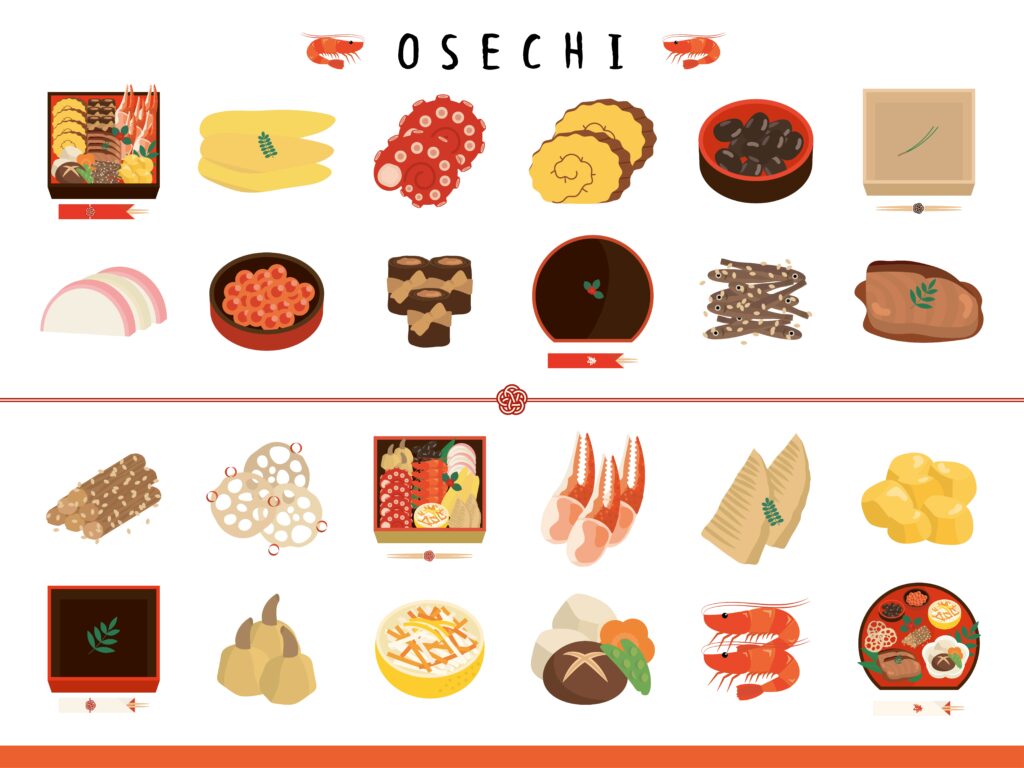
Personally, I usually make namasu (pickled radish and carrot), kuromame (sweet black soybeans), or tataki gobō (lightly crushed burdock root in sesame dressing). Each dish carries a symbolic meaning: namasu represents happiness and purity, kuromame symbolises good health and diligence, and tataki gobō is eaten to wish for strength and a firm foundation, as burdock grows long and deep in the ground.
This year, I’m also thinking of making datemaki, my daughter’s favourite. Datemaki is a sweet rolled omelette traditionally made by blending eggs with fish paste and sugar, then cooking and rolling it while warm to create its signature spiral. This year, however, I’m planning to try a lighter version using tofu instead of fish paste. With its scroll-like shape, datemaki symbolises learning and culture, and is traditionally eaten in the hope of wisdom and academic success in the year ahead.
The idea is to complete everything by the 30th, so that New Year’s Eve can be a calm moment of transition, and New Year’s Day can be welcomed with a clear space and a grateful heart.
And just so you know, isfor WA also offers these recipes for you to try at home.
Happy Cooking!
Aiko
isfor WA